
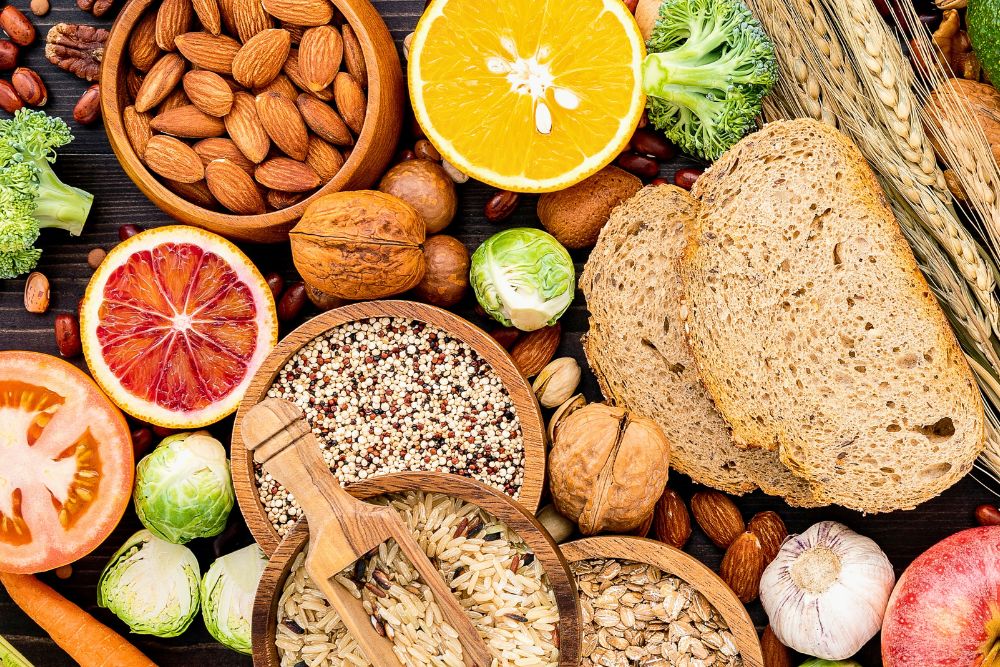
Balanced Eating Explained: How to Build a Nutritious Diet Without Restrictive Rules
In a world filled with diet trends, calorie counting apps, and food rules that change every year, eating well can feel confusing and overwhelming. Many people believe that healthy eating requires strict discipline, cutting out favorite foods, or following rigid meal plans. The truth is much simpler and far more sustainable. Balanced eating is about nourishing your body consistently, enjoying food without guilt, and creating habits that support long-term health rather than short-term results.
Balanced eating focuses on flexibility, variety, and listening to your body. Instead of labeling foods as “good” or “bad,” it encourages you to understand how different foods work together to fuel your energy, support your immune system, and improve overall well-being. This guide explains what balanced eating really means and how you can build a nutritious diet without restrictive rules.
What Is Balanced Eating?
Balanced eating means consuming a wide range of foods in proportions that provide the nutrients your body needs to function at its best. It does not follow a single rigid formula. Instead, it adapts to your lifestyle, preferences, cultural background, and health goals.
At its core, balanced eating ensures that you regularly include:
- Carbohydrates for energy
- Proteins for muscle repair and growth
- Healthy fats for brain and hormone function
- Vitamins and minerals for overall health
- Fiber for digestion and gut health
Rather than eliminating entire food groups, balanced eating teaches moderation and variety. All foods can have a place when eaten mindfully and in appropriate portions.
Why Restrictive Diets Often Fail
Restrictive diets may promise quick results, but they often create long-term problems. Cutting out foods you enjoy can lead to frustration, cravings, and a strained relationship with food. Over time, this can result in cycles of restriction and overeating.
Common issues with restrictive diets include:
- Increased cravings for forbidden foods
- Low energy and nutrient deficiencies
- Difficulty maintaining results long-term
- Negative effects on mental health and self-esteem
Balanced eating avoids these pitfalls by focusing on nourishment rather than deprivation. When you give your body consistent fuel, it becomes easier to trust your hunger cues and make healthier choices naturally.
The Core Components of a Balanced Diet
Understanding the building blocks of balanced eating can help you create satisfying meals without overthinking every bite.
Carbohydrates: Your Body’s Primary Energy Source
Carbohydrates are often misunderstood and unfairly blamed for weight gain. In reality, they are the body’s preferred source of energy, especially for the brain and muscles.
Balanced eating encourages choosing mostly complex carbohydrates, such as:
- Whole grains like oats, brown rice, and quinoa
- Fruits and vegetables
- Legumes such as beans and lentils
These foods provide fiber, vitamins, and steady energy. Simple carbohydrates, like sweets and refined grains, can still be enjoyed in moderation without guilt.
Protein: Building and Repairing the Body
Protein plays a crucial role in muscle maintenance, immune function, and hormone production. Including protein at meals helps you feel full and satisfied.
Balanced protein sources include:
- Lean meats such as chicken and turkey
- Fish and seafood
- Eggs
- Dairy products like yogurt and cheese
- Plant-based options such as tofu, beans, and nuts
You do not need excessive amounts of protein. Consistent intake throughout the day is more effective than loading it all into one meal.
Healthy Fats: Essential for Overall Health
Fats are vital for absorbing vitamins, supporting brain health, and keeping hormones balanced. Avoiding fat entirely can be harmful and unnecessary.
Nutritious fat sources include:
- Avocados
- Olive oil
- Nuts and seeds
- Fatty fish like salmon
Balanced eating emphasizes quality and portion awareness rather than fear of fat.
Fruits and Vegetables: The Foundation of Nutrition
Fruits and vegetables provide essential vitamins, minerals, antioxidants, and fiber. Eating a variety of colors ensures a broad range of nutrients.
Rather than aiming for perfection, focus on consistency. Fresh, frozen, canned, and cooked vegetables all contribute to a balanced diet.
How to Build Balanced Meals Without Rules
You don’t need a strict meal plan to eat well. A simple approach to balanced meals includes:
- Filling half your plate with fruits and vegetables
- Including a source of protein
- Adding carbohydrates for energy
- Including healthy fats for satisfaction
This flexible framework works for breakfast, lunch, dinner, and even snacks. It allows you to adapt meals to what you enjoy and what is available.
Listening to Hunger and Fullness Cues
Balanced eating encourages reconnecting with your body’s natural signals. Hunger and fullness cues help guide when and how much to eat.
Signs of hunger may include:
- Low energy
- Difficulty concentrating
- Stomach growling
Signs of fullness may include feeling satisfied, comfortable, and no longer focused on food. Eating slowly and without distractions makes it easier to recognize these cues.
Mindful Eating and Enjoyment
Food is not just fuel; it is also enjoyment, culture, and connection. Balanced eating allows space for pleasure without guilt.
Mindful eating practices include:
- Eating without screens when possible
- Savoring flavors and textures
- Noticing how foods make you feel
When enjoyment is part of eating, satisfaction increases and overeating becomes less likely.
Making Room for Treats Without Guilt
Balanced eating does not eliminate sweets, snacks, or comfort foods. Instead, it places them in context. Enjoying treats occasionally can prevent feelings of deprivation and binge eating.
When all foods are allowed, they lose their power. A cookie becomes just a cookie, not a forbidden reward.
Balanced Eating on a Busy Schedule
You don’t need hours in the kitchen to eat well. Simple strategies can support balanced eating even on busy days.
- Prepare basic ingredients ahead of time
- Keep nutritious snacks available
- Choose balanced options when eating out
Progress matters more than perfection. Even small improvements add up over time.
Common Myths About Balanced Eating
- Myth: Healthy eating must be expensive.
Reality: Simple foods like beans, rice, eggs, and frozen vegetables are affordable and nutritious. - Myth: You must eat perfectly every day.
Reality: Health is built over weeks and months, not single meals. - Myth: Balanced eating means no indulgences.
Reality: Flexibility is key to sustainability.
Long-Term Benefits of Balanced Eating
Balanced eating supports both physical and mental health. Over time, it can lead to:
- Improved energy levels
- Better digestion
- Stronger immune function
- Healthier relationship with food
- Sustainable weight management
Unlike restrictive diets, balanced eating is designed to last a lifetime.
Final Thoughts
Balanced eating is not about rules, perfection, or willpower. It is about consistency, nourishment, and self-respect. By focusing on variety, listening to your body, and allowing flexibility, you can build a nutritious diet that supports your health without sacrificing enjoyment.
When you stop chasing extremes and start aiming for balance, eating well becomes simpler, more satisfying, and truly sustainable.